

D CEO Commercial Real Estate
Reports on North Texas Commercial Property Deals
Commercial Real Estate
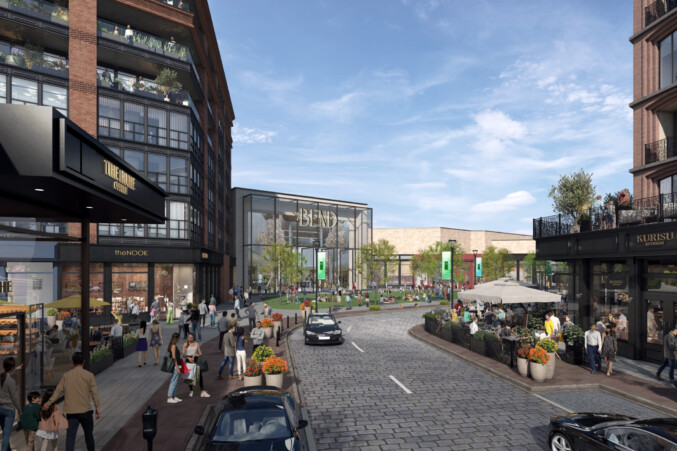
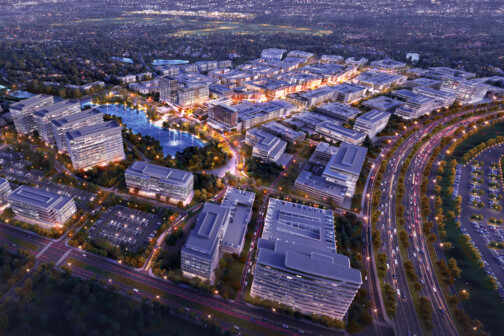
For this Mall Site in Plano, the Key to Revitalization is Subtraction Before Addition
Dallas-based Centennial aims to transform the Shops at Willow Bend into The Bend, a mixed-use destination featuring office, retail, multifamily residential, and a boutique hotel.
Latest
Commercial Real Estate
For this Mall Site in Plano, the Key to Revitalization is Subtraction Before Addition
Dallas-based Centennial aims to transform the Shops at Willow Bend into The Bend, a mixed-use destination featuring office, retail, multifamily residential, and a boutique hotel.

Dallas 500
Meet the Dallas 500: John Paul Valverde, Coéval Studios
The creative director and principal for Coéval Studios discusses his firm's most recent projects, the importance of mentorship, and more.
Commercial Real Estate
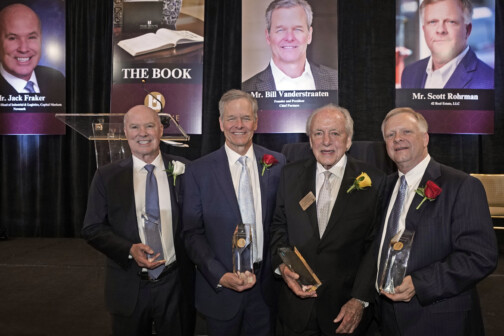
‘Dallas Will Welcome You’: Get to Know NTCAR’s Newest Hall of Fame Inductees
Bill Vanderstraaten and Scott Rohrman were inducted as hall of fame members, while Jack Fraker and Robert Grunnah earned recognition for their lifetime achievements.
Commercial Real Estate
What’s the Key to Attracting Talent? Three Frisco Developments Offer Answers
Developers behind Frisco Station and Fields reveal detailed updates—and city officials provide a sneak peek of redevelopment plans for Frisco's downtown.
Commercial Real Estate
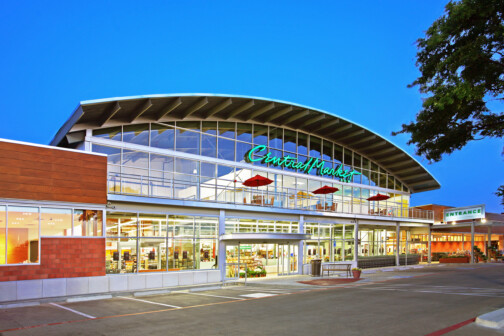
Checking in on HEB’s Plans for the Old Albertson’s in Uptown
The property at Lemmon and McKinney remains undeveloped despite years of announcements and renderings that depicted a $295 million, 25-story mixed use development anchored by a Central Market. What's going on?
Latest
Commercial Real Estate
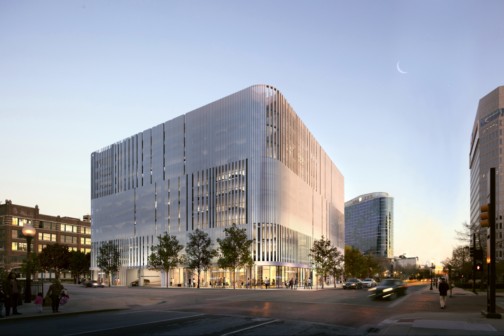
Serra Real Estate Capital, Dallas County Open Mixed-Use Parking Structure in Downtown Dallas
The current property is a prelude to further on-site development that is anticipated in conjunction with the $3.7 billion Kay Bailey Hutchison Convention Center expansion.

Commercial Real Estate
What Commercial Real Estate Leaders Can Learn From an Economic Downturn
Difficult economic times allow you to prepare for the good times, says Citadel Partners Managing Partner Scott Jessen.
Party Pics
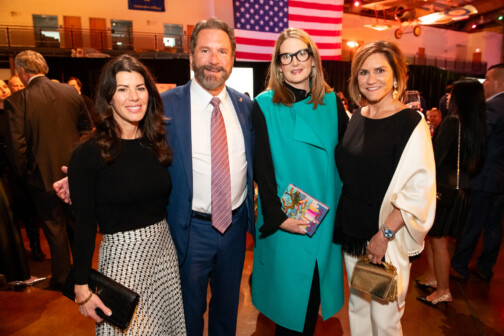
Scenes from D CEO’s 2024 Commercial Real Estate Awards
More than 500 of North Texas' top dealmakers gathered to celebrate the year's most notable projects and the people who made them happen.
Commercial Real Estate
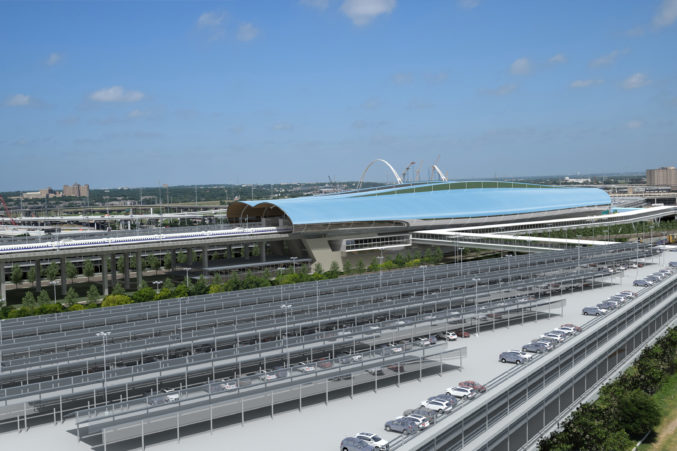
Former Mayor Tom Leppert: Let’s Get Back on Track, Dallas
The city has an opportunity to lead the charge in becoming a more connected and efficient America, writes the former public official and construction company CEO.
Commercial Real Estate
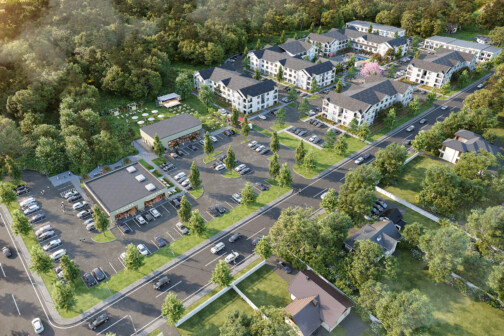
Why Mikial Onu Is Pursuing Opportunities in Southern Dallas with The Adaline
This week marks the groundbreaking of the 12-acre mixed-use development by Onu Ventures near the intersection of Interstates 45 and 20.