


D CEO Commercial Real Estate
Reports on North Texas Commercial Property Deals

Commercial Real Estate
Former Mayor Tom Leppert: Let’s Get Back on Track, Dallas
The city has an opportunity to lead the charge in becoming a more connected and efficient America, writes the former public official and construction company CEO.
Latest

Commercial Real Estate
Former Mayor Tom Leppert: Let’s Get Back on Track, Dallas
The city has an opportunity to lead the charge in becoming a more connected and efficient America, writes the former public official and construction company CEO.
Commercial Real Estate
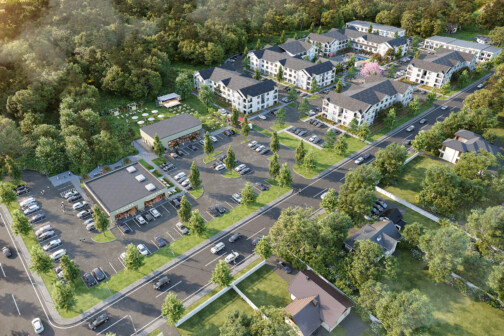
Why Mikial Onu Is Pursuing Opportunities in Southern Dallas with The Adaline
This week marks the groundbreaking of the 12-acre mixed-use development by Onu Ventures near the intersection of Interstates 45 and 20.

Dallas 500
Meet the Dallas 500: Karla Smith, SRS Real Estate Partners
The executive vice president and principal with SRS Real Estate Partners’ Dallas/Fort Worth office shares her best advice, her proudest moment and her hopes for the future of real estate

Commercial Real Estate
Dallas Stars to Build $45 Million Multipurpose Athletic Facility in Northlake
The NHL team continues to pursue multi-sport opportunities, building on announced facilities in Lewisville and Farmers Branch.

Commercial Real Estate
First Look: The New Ritz-Carlton Dallas, Las Colinas
The rebranded resort, which is in the midst of a $55 million renovation, features a new Knife Italian restaurant from celebrity chef John Tesar.
Latest
Business
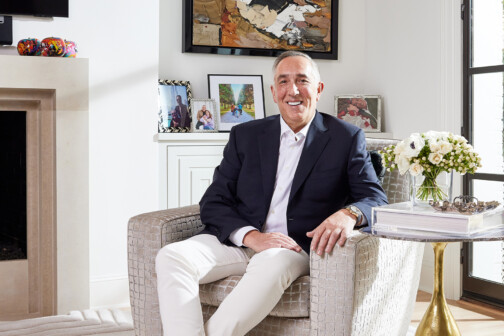
How Dallas Newcomer Stephen Kotler Plans to Grow Douglas Elliman’s Local Market Share
After arriving from Los Angeles, the regional CEO aims to turn the firm into his new hometown’s top residential brokerage.

Commercial Real Estate
Craig Hall on Why He’s Reinventing His Frisco Office Park
Investing $7 billion in his 162-acre development is a big bet. But for Hall, the end product is just as much about what you'll feel as what you'll see.
Executive Travel
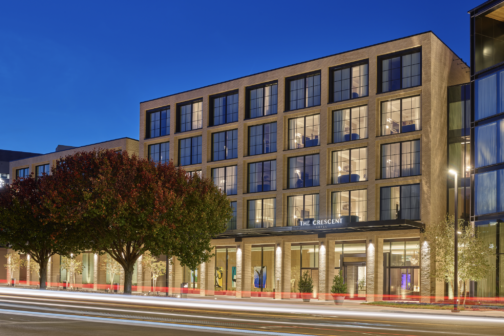
A First Look at the New Crescent Fort Worth, and How to Spend a Weekend There
Crescent Real Estate Chairman John Goff shares his vision for the charming new hospitality anchor in Fort Worth's Cultural District—and how he landed the deal to develop it.

Commercial Real Estate
Behind the $22 Million Verdict Against Gene Phillips’ Company
Daniel Moos, the former president and CEO of Pillar Income Asset Management, sued his former employer after he was fired and claimed the company refused to pay him what he was owed.
Business
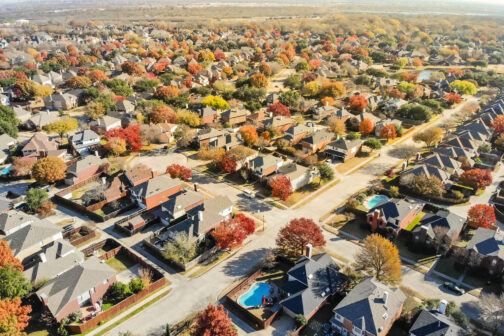
Experts Weigh In: What the NAR Settlement Could Mean for DFW’s Residential Market
Rogers Healy, Briggs Freeman's Russ Anderson, and Allie Beth Allman's Keith Conlon share insights on the landmark National Association of Realtors lawsuit.